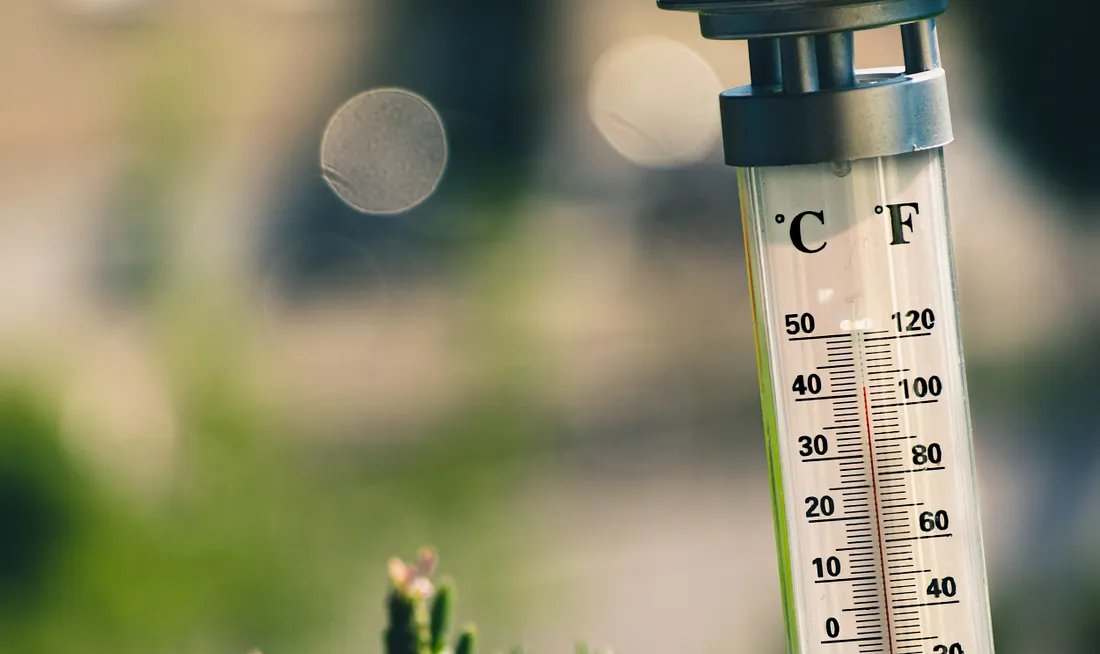
Thermometers are pretty much everywhere these days, aren’t they? As the name implies, they’re our go-to tools for checking the temperature of just about anything—whether it’s the room we’re in or a specific object. This simple tools makes us asking “How does a thermometer work?”. While there’s a whole world of thermometers out there, we’re narrowing our focus, laboratory and medical thermometers.
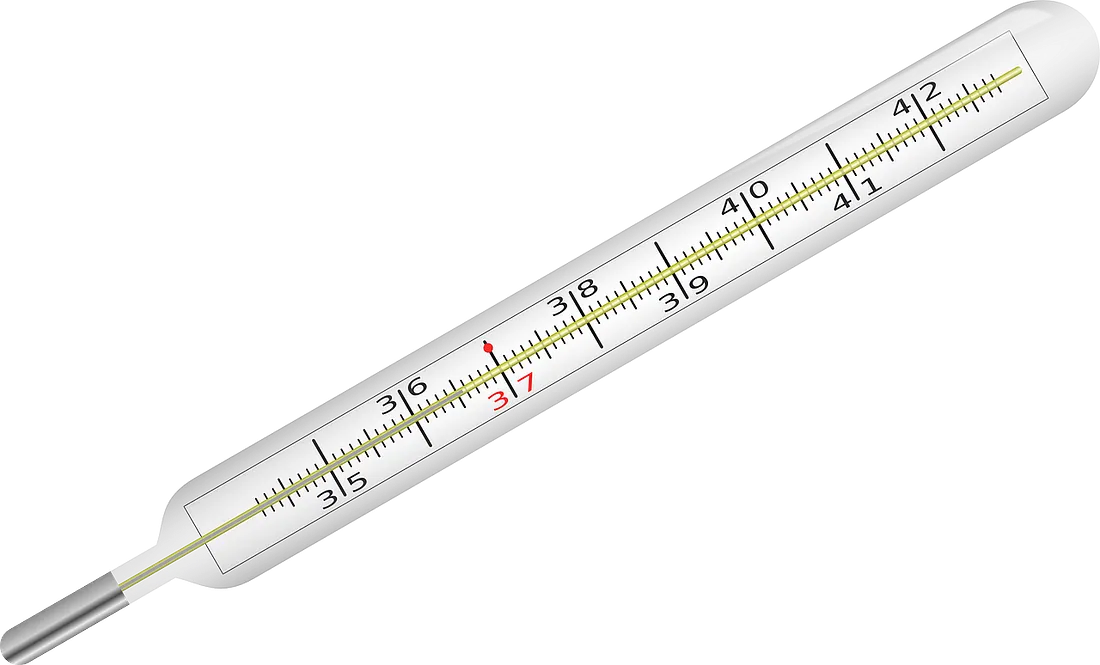
Physics Approach
As we learned in school, all objects around us can expand when exposed to heat. These objects expand at different rates. Some objects expand very easily, while others are very difficult to expand. One substance that expands easily is alcohol. Just by applying a little heat, the volume of alcohol can increase significantly due to the expansion process. The volatile nature of alcohol is what scientists use to make thermometers.
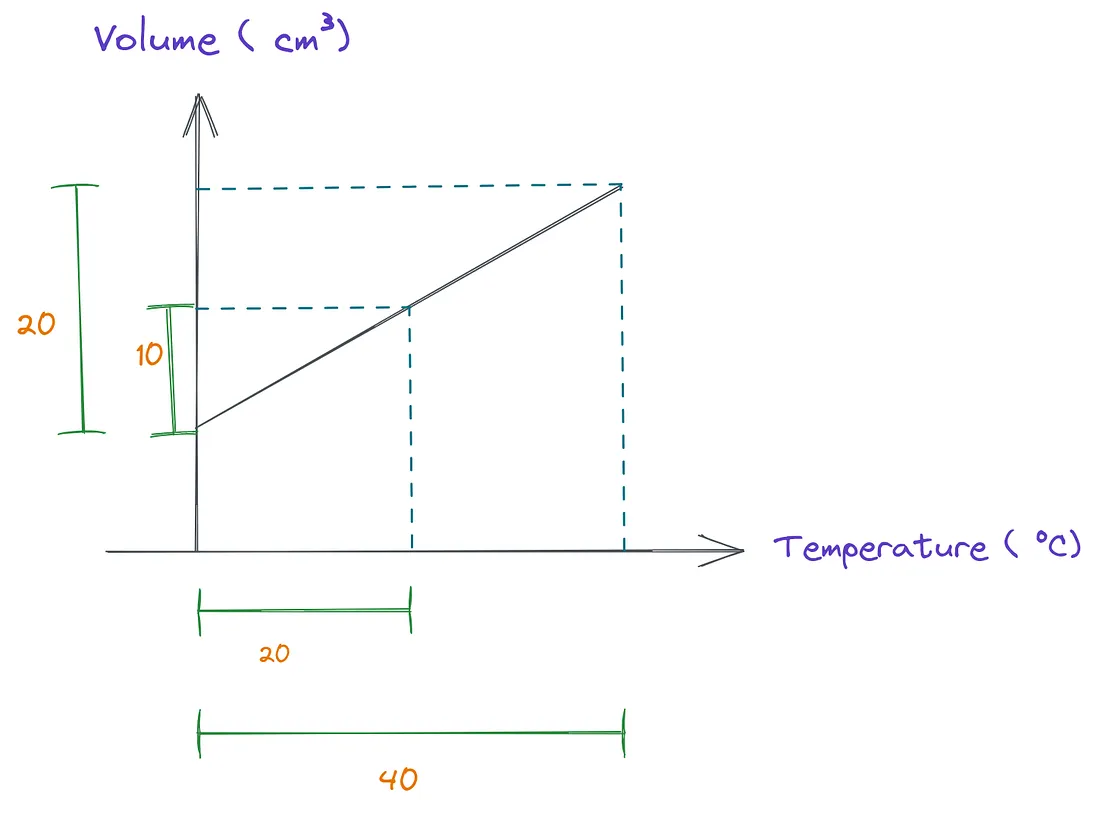
Volume of the alcohol is increasing proportionally to the increasing of its heat due to expansion. Suppose in an experiment you observe that if the temperature of alcohol increases by , its volume increases by . The question is, if the volume of alcohol is increased by , what is the increase in volume? It’s easy. because the volume is doubled, the temperature is also doubled. So, if the volume increases by 20 cm³, then the temperature increases by . Using this information, we can mark “temperature” for every increasing in the volume of alcohol.
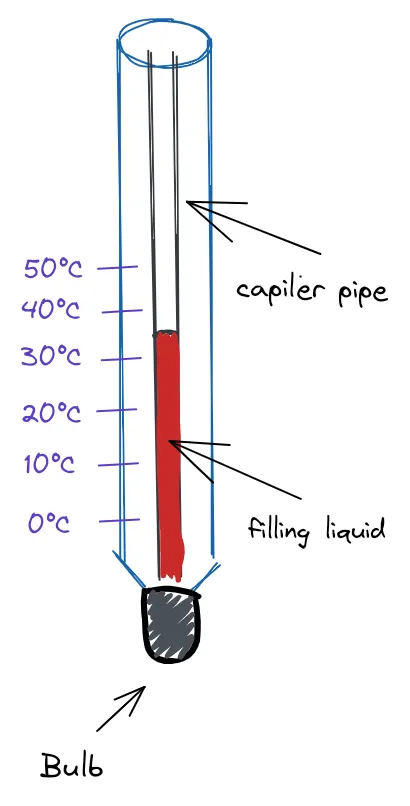
In order for the changes that occur in the alcohol to be more easily observed, the alcohol is placed in a capillary pipe. A capillary pipe is a type of pipe with a very small diameter (approximately the diameter of a needle). That way, the change in alcohol temperature can be said to be directly proportional to the change in the height of the alcohol in the capillary pipe.
Alcohol itself can expand to a maximum temperature of . If the temperature reaches and the change in height of alcohol in the capillary pipe reaches x cm, then we can label at a height of on the capillary pipe, label at a height of on the capillary pipe, label at a height of on a capillary pipe, and so on. In other words, if the height of the alcohol increases by , we can conclude that the temperature of the alcohol increases by . This problem is the same as “If 10 bags contain 20 apples, how many apples are in 1 bag?”. Not too difficult right?
It may sound a bit complicated, but the principle is simple. The thermometer can measure temperature by observing the increase in the height of the alcohol in the capillary pipe.
The Component of Thermometer
Thermometer consist of at least 3 main components, namely the tip, capillary pipe, and filling liquid.
Mechanism
Let’s say you want to measure your body temperature with a thermometer. The tip of the thermometer (bulb) is made of a material that is very easy to transfer heat. When the bulb touches your body, heat from your body will flow through the bulb to the alcohol in the capillary pipe. This causes the alcohol to expand and increase the alcohol level in the capillary pipe. Based on the increase in the level of alcohol in the capillary pipe, our body temperature can be determined.